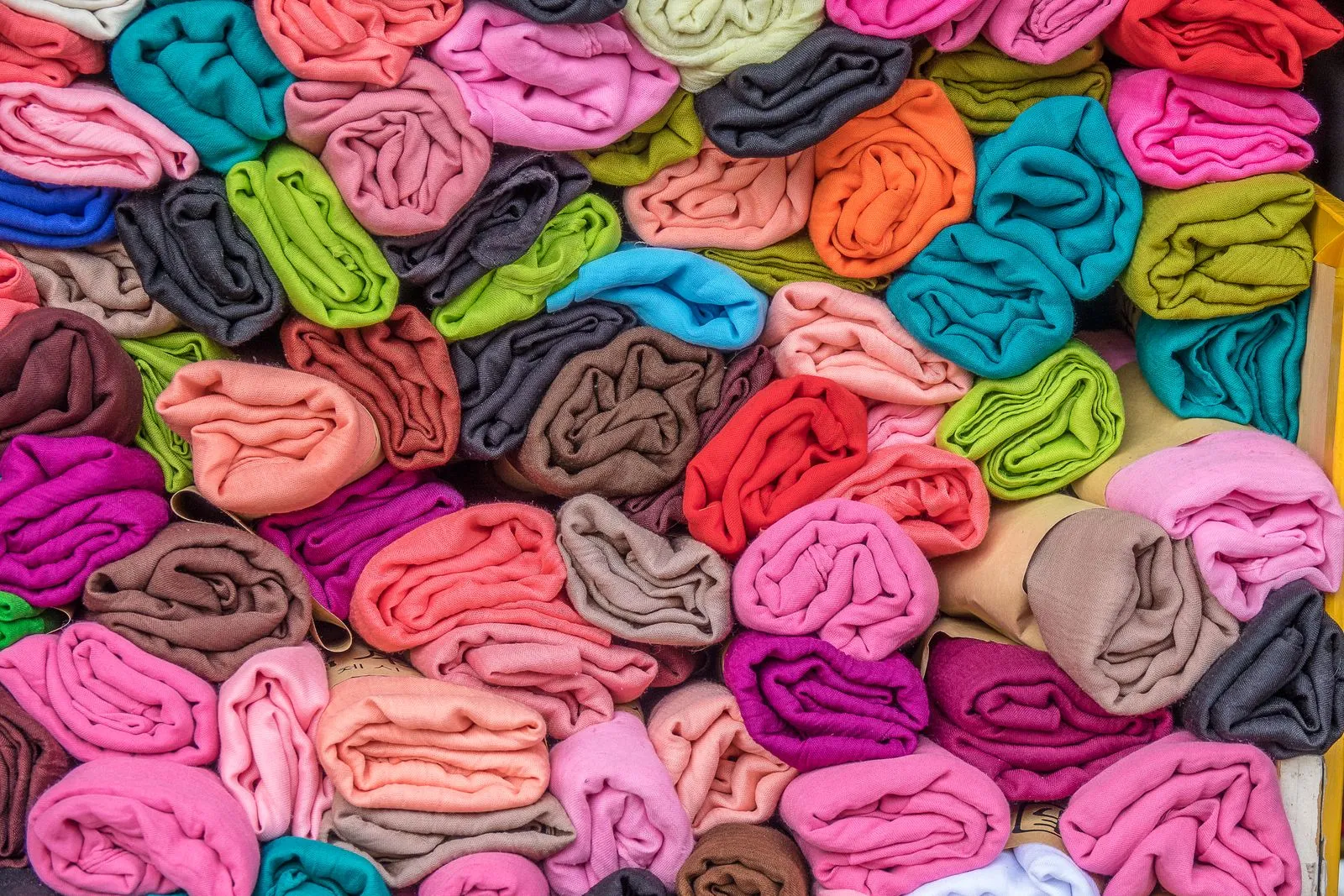
Japanese cotton fabric comes in a range of weaves, from smooth and closely set to textured and visibly open. The weave affects how a fabric feels, how it holds its shape, and how easily it works under a sewing machine. Knowing a few common types can help you choose fabric that suits your project instead of relying on appearance alone. Use these characteristics as a starting point, then check the fabric’s weight and drape before you buy.
Start With Plain Weave
Plain weave interlaces each crosswise thread over and under each lengthwise thread. This simple structure creates a balanced surface that can feel smooth or slightly crisp, depending on the yarn and finish. Many everyday cotton prints use this weave, making it a familiar choice for shirts, linings, quilting, and small accessories.
For sewing, plain-weave cotton is often predictable: it usually presses well and stays stable when cut. Lightweight versions can shift or fray at the edges, so use fine pins, a suitable needle, and a shorter stitch for delicate fabric. Prewash fabric when shrinkage could affect the finished fit or size.
Feel Texture in the Surface
Some Japanese cottons have a noticeable surface texture. Slub cotton includes small variations in yarn thickness, while dobby fabrics use woven patterns that create subtle raised or recessed areas. Seersucker has alternating puckered stripes that keep parts of the fabric lifted from the skin. These details add visual depth without relying on a printed design.
Texture can affect both comfort and construction. A puckered or raised surface may hide small creases, but it can make precise matching at seams more challenging. Before cutting, check whether the fabric has a clear direction or repeat. Place pattern pieces consistently, and avoid pressing textured cloth so hard that you flatten its surface.
Consider Twill and Fabric Weight
Twill is identified by diagonal lines in its weave. Compared with a basic plain weave of similar weight, it often has a softer hand and more fluid drape. Cotton twill works well for bags, pants, aprons, and other projects that benefit from a little body and a surface that can handle regular use.
Weight matters as much as weave. A light cotton can suit a gathered blouse or lining, while a heavier cloth may support a structured tote or cushion cover. Check how the fabric falls when you hold it up, and fold it to see how bulky seams might become. For an unfamiliar fabric, sew a test seam and press a sample before starting.
Match the Weave to Your Project
Choose based on the finished item’s needs. A smooth, stable plain weave is a practical option for quilting and beginner sewing. Textured cotton can bring interest to a simple top, tea towel, or patchwork block. Twill may be a better fit when you want more drape or a sturdier feel for an everyday accessory.
Look beyond the weave name when comparing fabrics. Fiber quality, yarn thickness, finishing, and print can change how two fabrics behave. If you can, handle a sample, rub it gently to assess softness, and hold it against a light source to judge density. Prairie Thread in Saskatoon can help you consider fabric choices for a project; bring your pattern details or a small reference swatch.
A fabric’s weave offers useful clues about its texture, structure, and sewing behavior, but weight and finish also shape the result. Compare the cloth with your project’s needs, and test an unfamiliar fabric before cutting. If you are choosing Japanese cotton for an upcoming project, visit a fabric shop with your pattern or sample in hand.